
What is Live Resin?

What is Live Resin?
Live resin is a premium cannabis concentrate that's flash-frozen immediately after harvest to preserve maximum flavor and potency. This guide is perfect for cannabis enthusiasts, medical patients, and curious consumers who want to understand what makes live resin special and worth the premium price tag.
You'll learn how live resin gets made through specialized extraction techniques that keep those delicate terpenes intact. We'll also cover the unique benefits that set live resin apart from other concentrates, plus practical tips for choosing high-quality products and getting the best experience when you consume them.
Definition and core characteristics of live resin
Live resin stands out as one of the most potent and flavorful cannabis concentrates available today. This premium extract gets its name from being made with fresh, frozen cannabis plants that are harvested at their peak potency and immediately flash-frozen to preserve their natural compounds. Unlike traditional concentrates that use dried and cured flower, live resin captures the plant's full chemical profile in its most natural state.
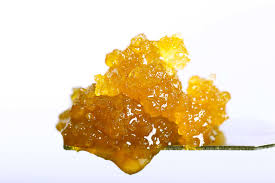
The concentrate typically appears as a golden, amber-colored substance with a sticky, sap-like consistency that ranges from sauce-like to more solid textures. What makes live resin special is its exceptional terpene content - these aromatic compounds give cannabis its distinctive smell and contribute to its effects. The flash-freezing process locks in these volatile terpenes that would otherwise evaporate during the traditional drying and curing process.
Live resin usually contains THC levels between 20-90%, depending on the starting material and extraction method. The high concentration of both cannabinoids and terpenes creates what experts call the "entourage effect" - where these compounds work together to produce more pronounced and nuanced effects than isolated compounds alone.
How live resin differs from other cannabis concentrates
The main difference between live resin and other concentrates lies in the starting material and timing of extraction. Most concentrates like shatter, wax, or budder use dried and cured cannabis flowers that have gone through weeks of processing. This traditional method loses many terpenes as they evaporate during the drying process.
| Concentrate Type | Starting Material | Terpene Content | Texture | Flavor Profile |
|---|---|---|---|---|
| Live Resin | Fresh frozen flower | High (2-10%+) | Sauce-like, sticky | Full, complex |
| Shatter | Dried/cured flower | Low to moderate | Glass-like, brittle | Mild to moderate |
| Wax/Budder | Dried/cured flower | Moderate | Waxy, crumbly | Moderate |
| Rosin | Fresh or dried flower | Variable | Sap-like | Depends on material |
Live resin requires specialized equipment and techniques that other concentrates don't need. The extraction process happens at much lower temperatures to preserve the delicate terpene compounds. This makes production more complex and expensive, which explains why live resin typically costs more than other concentrates.
The extraction timeline also differs significantly. While traditional concentrates can be made weeks or months after harvest, live resin must be produced within hours or days of harvesting to maintain its quality and potency.
Why live resin preserves maximum terpene profiles
Terpenes are incredibly volatile compounds that begin degrading the moment a cannabis plant is harvested. Heat, light, and oxygen all contribute to terpene loss during traditional processing methods. When cannabis flowers are dried and cured over several weeks, they can lose 50-60% of their original terpene content.
Live resin prevents this loss by freezing the plant material immediately after harvest, typically within 24-48 hours. The freezing process stops enzymatic reactions that would otherwise break down terpenes. The material stays frozen throughout the entire extraction process, maintaining temperatures below -10°F to preserve these delicate compounds.
The extraction itself uses butane or propane solvents at low temperatures, which allows for selective extraction of desired compounds while leaving behind unwanted plant matter. This cold extraction method prevents terpene evaporation that occurs with heat-based extraction methods.
Different terpenes have different boiling points and volatility levels. Limonene, for example, starts evaporating at room temperature, while others like caryophyllene are more stable. Live resin's cold process preserves the full spectrum of these compounds, creating a concentrate that closely matches the original plant's aroma and flavor profile. This preservation explains why live resin often smells and tastes exactly like the fresh cannabis strain it came from.
Flash-freezing Fresh Cannabis Plants Immediately After Harvest
The magic of live resin begins the moment cannabis plants reach peak maturity. Unlike traditional concentrates that use dried and cured flower, live resin production requires immediate action. Freshly harvested plants get plunged into sub-zero temperatures within hours of cutting, typically using liquid nitrogen or specialized freezing equipment. This rapid freezing locks in volatile terpenes that would otherwise evaporate during the standard drying process.
The timing here is absolutely critical. Cannabis plants start losing terpenes the second they're cut from their roots. Every minute counts when preserving those delicate aromatic compounds that give each strain its unique character. Professional processors often harvest plants in small batches to maintain quality control and ensure each plant receives proper freezing treatment before terpene degradation begins.
Extraction Methods Using Butane or Propane Solvents
Live resin extraction relies on hydrocarbon solvents, primarily butane, propane, or a blend of both. These solvents excel at pulling cannabinoids and terpenes from frozen plant material while operating at the low temperatures necessary to preserve heat-sensitive compounds. Butane works exceptionally well for terpene extraction due to its lower boiling point and selective properties.
The extraction system uses a closed-loop design that recycles solvents for safety and efficiency. Frozen cannabis material goes into extraction tubes where pressurized solvent passes through, dissolving the desired compounds. The resulting solution then moves to collection chambers where heat and vacuum purging remove all traces of solvent, leaving behind pure live resin.
Professional extractors often prefer propane blends because they can operate at even lower temperatures than butane alone, providing better preservation of volatile terpenes while maintaining extraction efficiency.
Temperature Control Requirements During Processing
Temperature management makes or breaks live resin quality. The entire process must stay below -10°F to preserve terpene integrity. Extraction vessels use specialized chillers and monitoring systems to maintain consistent temperatures throughout the run. Even small temperature spikes can cause terpene loss and affect the final product's flavor profile.
During purging, temperature control becomes even more nuanced. The goal is removing all residual solvents while keeping temperatures low enough to prevent terpene evaporation. Most processors use vacuum ovens that create negative pressure, allowing solvents to purge at lower temperatures than traditional atmospheric purging methods.
Quality Control Measures for Optimal Potency
Rigorous testing protocols ensure live resin meets safety and potency standards. Every batch undergoes residual solvent testing to confirm complete purge completion. Terpene profiles get analyzed to verify preservation levels, while cannabinoid testing confirms potency and ratio accuracy.
Visual inspection plays a huge role in quality assessment. High-quality live resin typically displays a golden, translucent appearance with a consistency ranging from sauce-like to budder, depending on the specific extraction parameters and post-processing techniques used.
Unique Benefits and Effects of Live Resin
Enhanced Flavor Profiles Compared to Cured Concentrates
Live resin delivers an exceptionally rich and complex flavor experience that sets it apart from traditional concentrates. The fresh-frozen extraction process preserves volatile compounds that would otherwise degrade during the typical drying and curing stages. This means you get to taste the plant exactly as it was at harvest – vibrant, nuanced, and full of character.
While cured concentrates often lose their more delicate flavor notes during processing, live resin maintains the full spectrum of taste compounds. You'll notice sharper citrus notes, deeper earthy undertones, and more pronounced floral or fruity characteristics depending on the strain. The difference is particularly striking in strains known for their unique terpene profiles, where live resin can capture subtle flavor nuances that completely disappear in other extraction methods.
This enhanced flavor translates to a more enjoyable consumption experience. Each dab or vape hit delivers layers of taste that unfold on your palate, creating a sensory journey that closely mirrors the original plant's aromatic profile.
Higher Terpene Retention for Improved Entourage Effects
Terpene preservation stands as one of live resin's most significant advantages. These aromatic compounds don't just contribute to flavor – they play a crucial role in how cannabis affects your body and mind through the entourage effect. Live resin typically contains 2-3 times more terpenes than concentrates made from dried flower.
The entourage effect describes how cannabinoids and terpenes work together synergistically, creating effects that are greater than the sum of their parts. When you consume live resin, you're getting a more complete cannabinoid and terpene profile that can enhance therapeutic benefits and create more nuanced psychoactive experiences.
Different terpenes contribute various effects:
Myrcene: Promotes relaxation and sedation
Limonene: Elevates mood and reduces stress
Pinene: Enhances alertness and memory retention
Linalool: Provides calming and anti-anxiety effects
Caryophyllene: Offers anti-inflammatory properties
The higher terpene content in live resin means these effects are more pronounced and work more effectively with the cannabinoids present. Users often report more well-rounded highs with better therapeutic outcomes compared to isolates or lower-terpene concentrates.
Potency Advantages and Cannabinoid Preservation
Live resin excels at preserving the full spectrum of cannabinoids present in fresh cannabis. The flash-freezing process locks in compounds that would typically degrade during traditional drying methods. This includes not just THC and CBD, but also minor cannabinoids like CBG, CBC, and THCV that contribute to the overall effects profile.
The potency of live resin often ranges from 60-90% total cannabinoids, with many products hitting the higher end of this spectrum. However, potency isn't just about total THC content – it's about maintaining the original ratios of all active compounds. This balanced preservation creates effects that more closely mirror the original plant's intended impact.
Fresh-frozen extraction also prevents the conversion of THC-A to THC through decarboxylation, allowing processors to maintain higher levels of acidic cannabinoids. These compounds offer their own unique benefits and contribute to the overall therapeutic potential of the extract.
The result is a concentrate that delivers both powerful effects and a more complete representation of the original strain's characteristics. Users often find that smaller amounts of live resin produce more satisfying results compared to other concentrate types, making it both potent and efficient.
Consumption Methods and Best Practices
Dabbing techniques for maximum flavor extraction
Dabbing live resin requires a different approach than traditional concentrates to preserve its delicate terpene profile. The key lies in using lower temperatures than you might expect. Start by heating your nail or banger until it's red hot, then let it cool for 45-60 seconds before applying the live resin. This "cold start" method prevents the volatile terpenes from burning off instantly.
Use a carb cap immediately after placing the concentrate on the heated surface. The cap creates convection heating and helps maintain optimal airflow. Take slow, steady draws rather than aggressive pulls to avoid overwhelming your lungs and to fully appreciate the flavor complexity.
Consider investing in an electronic nail (e-nail) for consistent temperature control. Set it between 315-450°F for live resin – much lower than the 500-600°F range used for other concentrates. The lower temperature range preserves more terpenes while still providing effective vaporization.
Vaporizer compatibility and temperature settings
Not all vaporizers handle live resin effectively. Look for devices specifically designed for concentrates with adjustable temperature controls. Desktop vaporizers like the Dr. Dabber Switch or Puffco Peak Pro offer excellent performance with live resin.
For portable options, choose vaporizers with ceramic or quartz chambers rather than metal coils. These materials provide more even heating and better flavor preservation. Avoid vape pens designed for distillate, as they typically run too hot for live resin.
| Vaporizer Type | Ideal Temperature Range | Best Features |
|---|---|---|
| Desktop Units | 315-400°F | Precise control, larger chambers |
| Portable Concentrate Pens | 350-425°F | Ceramic coils, variable voltage |
| Multi-use Vaporizers | 325-450°F | Concentrate-specific chambers |
Start at the lower end of these temperature ranges and gradually increase until you find your sweet spot. Different live resin strains may require slight temperature adjustments to optimize flavor and effects.
Storage requirements to maintain freshness and potency
Live resin's high terpene content makes proper storage crucial for maintaining quality. Store containers in a cool, dark place away from direct sunlight. Heat and UV light rapidly degrade terpenes and cannabinoids.
The ideal storage temperature sits between 32-68°F. Many users keep their live resin in the refrigerator, but avoid freezing as this can damage the texture and make the product difficult to work with. Room temperature storage works for short-term use (1-2 weeks), but refrigeration extends shelf life significantly.
Keep containers tightly sealed to prevent air exposure. Oxygen causes oxidation, which darkens the product and diminishes flavor. Silicone containers work well, but glass jars provide the best long-term storage solution.
Handle containers minimally and use clean tools when extracting product. Contamination from fingers, dirty tools, or cross-contamination with other concentrates affects both flavor and potency.
Dosage guidelines for new and experienced users
Live resin typically contains 60-90% THC, making dosage control important for both safety and enjoyment. New users should start with a piece roughly the size of a grain of rice – about 10-25mg. This "micro-dose" approach lets you gauge tolerance without overwhelming effects.
Wait at least 10-15 minutes between doses when dabbing, as effects can build gradually. The high terpene content often creates a more complex experience than other concentrates, with effects developing in waves rather than hitting all at once.
Experienced concentrate users can start with larger amounts but should still exercise caution with new strains. Different terpene profiles create varying effects even at similar THC levels. A sativa-dominant live resin might feel energizing at doses that would be sedating with an indica-heavy strain.
Beginner dosing schedule:
Week 1: 10-15mg per session, once daily
Week 2: 15-25mg per session, adjust frequency as needed
Week 3+: Gradually increase based on tolerance and desired effects
Experienced user considerations:
Account for terpene interactions with cannabinoids
Consider tolerance breaks to maintain sensitivity
Adjust doses based on consumption method and device efficiency
Monitor your response carefully, especially when trying new strains or switching between different live resin products. The entourage effect from preserved terpenes can create surprisingly different experiences even among similar THC percentages.
Quality Assessment and Selection Criteria
Visual indicators of premium live resin products
Color tells the story of quality live resin. Premium products display a bright, golden-amber hue that sparkles under light, resembling raw honey or crystallized sugar. The best live resins avoid dark, muddy browns or black spots that signal improper extraction or degraded material. Fresh live resin maintains transparency with minimal cloudiness, though some haziness is normal due to the concentrate's natural terpene content.
Texture plays a crucial role in assessment. High-quality live resin ranges from sauce-like consistency with visible crystalline structures to a more malleable, badder-like texture. Look for products that maintain their form without being overly sticky or runny at room temperature. Premium live resin shouldn't appear dry, crumbly, or contain visible plant matter, which indicates poor filtration during extraction.
Crystal formation provides another quality indicator. Top-tier live resins often showcase distinct THCA crystals suspended in terpene-rich sauce, creating a visually appealing contrast. These crystals should appear clean and well-formed rather than cloudy or irregular. The presence of these structures demonstrates proper extraction techniques that preserve both cannabinoids and terpenes.
Aroma and consistency characteristics to evaluate
Terpene preservation sets live resin apart from other concentrates, making aroma assessment critical. Premium live resin bursts with the original strain's scent profile, often more intense than the fresh flower itself. Each strain should maintain its unique aromatic fingerprint - citrusy limonene, piney pinene, or floral linalool notes should come through clearly without being masked by extraction solvents or off-odors.
Fresh live resin releases its aroma immediately upon opening the container. If you need to dig deep into the product to detect scent, the terpenes have likely degraded. Quality products smell clean and pure, without chemical undertones, musty odors, or harsh alcohol-like scents that suggest residual solvents remain in the final product.
Consistency evaluation requires gentle manipulation of the product. Live resin should feel smooth and clean between your fingers without leaving excessive residue. Premium products maintain stable consistency across different temperatures, becoming more workable when slightly warmed but never completely liquifying at room temperature. The texture should feel natural and pleasant to handle during consumption preparation.
Lab testing importance for purity and potency verification
Third-party laboratory testing removes guesswork from live resin selection. Reputable producers provide comprehensive test results covering cannabinoid profiles, terpene content, residual solvents, pesticides, heavy metals, and microbials. These reports give consumers concrete data about what they're purchasing rather than relying solely on marketing claims.
Potency verification through lab testing reveals the true cannabinoid content, typically showing THC levels between 70-90% for quality live resin. The reports should also display terpene percentages, often ranging from 4-12% in premium products. This data helps consumers understand the potential effects and flavor profiles they can expect from their purchase.
Safety screening protects consumers from harmful contaminants. Lab results should show "non-detect" or levels below regulatory limits for pesticides, residual extraction solvents like butane and propane, heavy metals, and microbial contaminants. Products failing these safety standards pose health risks and indicate poor production practices. Always verify that lab results match the specific batch you're purchasing, as test results can vary between production runs.
Live resin stands out as one of the most flavorful and potent cannabis concentrates available today. Its flash-freezing production method locks in the plant's natural terpenes and cannabinoids, creating a product that delivers the truest representation of the original strain's profile. The unique extraction process preserves volatile compounds that are typically lost in traditional drying and curing methods, resulting in enhanced flavor, aroma, and therapeutic effects.
When choosing live resin, focus on products from reputable producers who prioritize quality control and proper storage. Look for concentrates with vibrant colors, strong terpene profiles, and lab testing results that confirm purity and potency. Start with small doses to understand how your body responds, and consider your preferred consumption method – whether dabbing, vaping, or adding to flower. Live resin offers cannabis enthusiasts an opportunity to experience their favorite strains in their most authentic form, making it worth exploring for both recreational users and medical patients seeking maximum therapeutic benefits.